
 Huanghua Group Co., Ltd.

New Product Introduction Process: From Requirements to Production Release
The new product introduction process turns product requirements and a developing design into a controlled production release. A useful NPI process proves both that the product can meet its requirements and that the intended manufacturing system can repeatedly build and verify it.
A working prototype is an important milestone, but it does not answer every production question. Material availability, tolerances, assembly methods, test coverage, documentation and change control can remain unresolved even when one sample performs well.
Begin with decisions and evidence
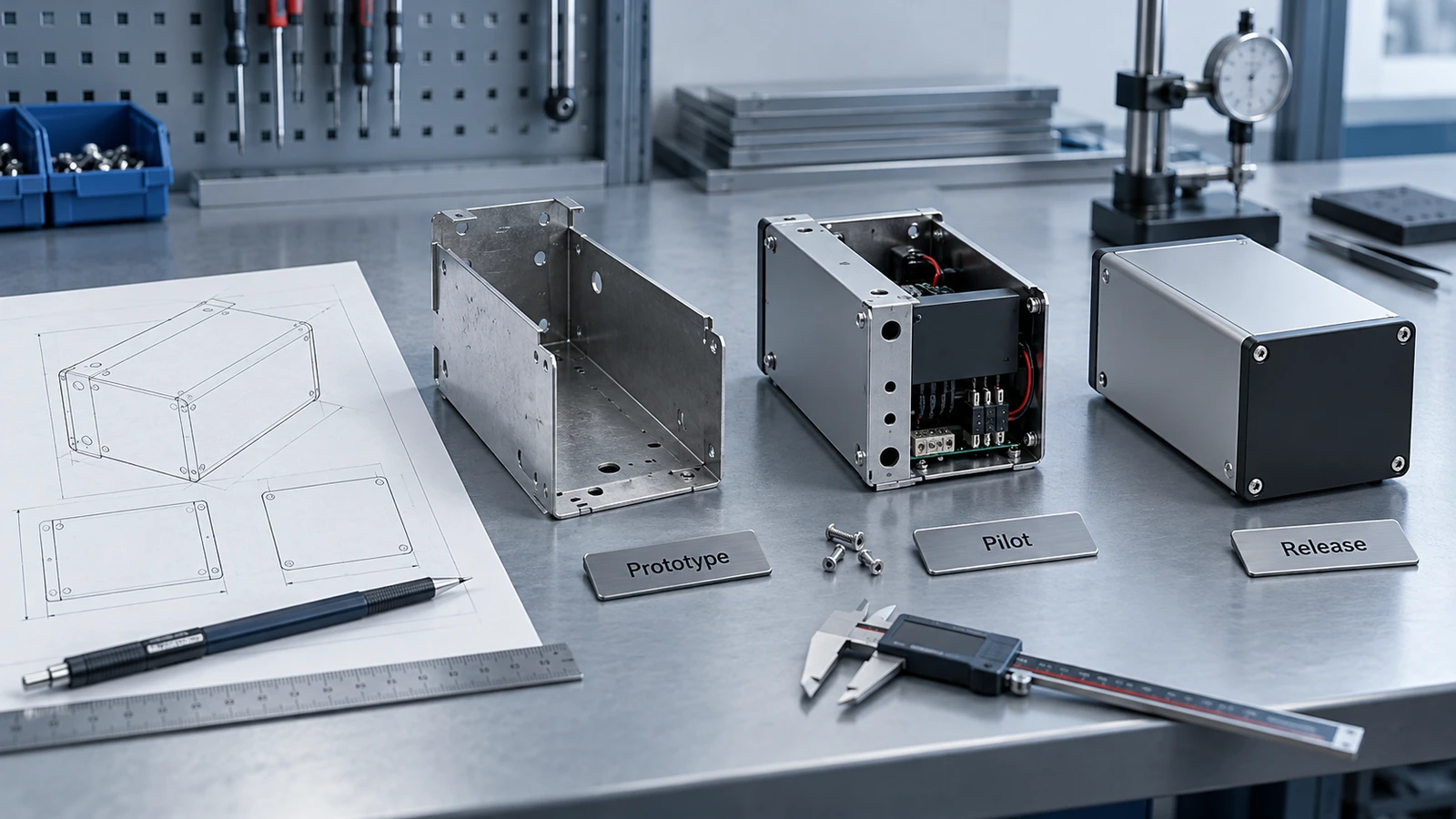
NPI stage names differ between organizations. Some use engineering, design and production validation stages; others use prototype, pilot and release gates. Protolabs describes NPI as the transition from early concept to a market-ready product and discusses validation within that process.
The names matter less than the decisions each stage authorizes. For every gate, state the required evidence, the approval owner and the unresolved risks that may or may not be carried forward. Avoid a calendar-only gate that declares success because the planned date has arrived.
A practical NPI gate structure
| Stage | Question to resolve | Typical evidence |
|---|---|---|
| Requirements | What must the product and delivery system achieve? | Use cases, interfaces, market requirements and acceptance plan |
| Prototype | Can the concept meet the key functions? | Prototype observations, test results and identified design gaps |
| Design validation | Does the controlled design meet its requirements? | Requirement-linked verification and resolved design issues |
| Pilot production | Can the intended process build and verify it? | Controlled build records, process issues, inspection and test evidence |
| Production release | Is the product and process baseline ready for routine orders? | Approved documents, trained operations, supply readiness and authorized release |
This is an adaptable framework, not a universal certification process. Regulated products and customer-specific programs can require additional activities. Identify those obligations at the beginning rather than discovering them after tooling is committed.
Write measurable requirements
“Reliable,” “easy to assemble” and “good quality” express intentions but do not define acceptance. Translate them into requirements that can be reviewed or verified for the actual product. Identify the source of each requirement and who approves it.
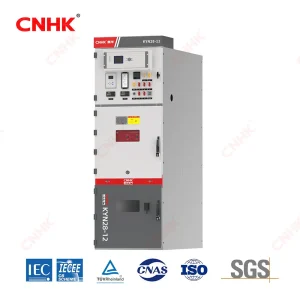
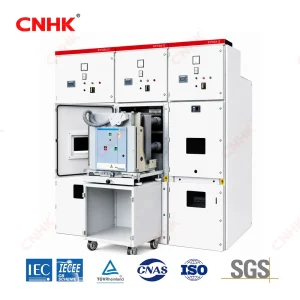
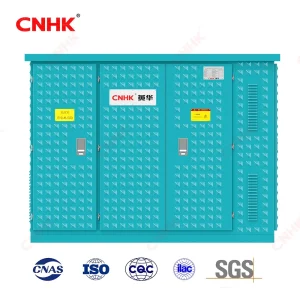
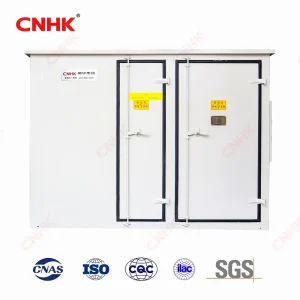
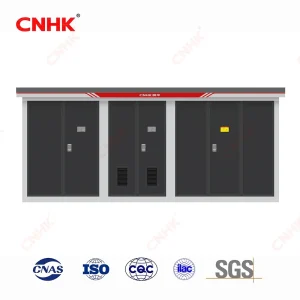
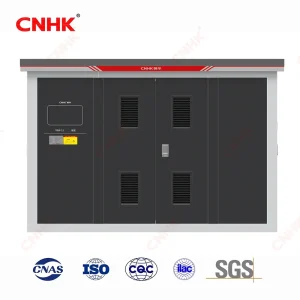
For an electrical enclosure, the requirement set may include mounting interfaces, access, environmental protection, electrical ratings, labeling, serviceability and the applicable product requirements. Avoid selecting a test solely because the laboratory can perform it. The test should answer a requirement or a stated engineering question.
Bring manufacturing into the design review
Design-for-manufacture and design-for-assembly reviews can expose difficult bends, inaccessible fasteners, uncertain tolerances, cable-routing conflicts or unnecessary part variants. The review should produce specific actions linked to controlled design records.
Manufacturing feedback is valuable, but recommendations still need approval by the responsible design authority. A faster production method that changes a critical interface or material cannot be treated as a harmless shop-floor adjustment.
Include procurement and quality personnel early. An easily assembled prototype can rely on a component that is unsuitable for forecast production, lacks an approved alternative or requires evidence that the chosen supplier cannot provide.
Use the pilot to test the intended process
A pilot should reveal whether the released documents, purchased materials, tools, fixtures, operators and test methods work together. If every unit requires an engineer to improvise a different solution, the build may provide development learning but it has not demonstrated a stable production process.
Record the actual configuration of each pilot unit and any deviations. Tie failures to causes and corrective actions rather than describing all problems as “prototype issues.” Distinguish a design change from a work-instruction correction and a supplier-material defect.
Do not invent a universal pilot quantity or yield threshold. The appropriate plan depends on product risk, process variation, production volume and customer requirements. The gate should state its agreed evidence rather than borrowing an attractive number from an unrelated program.
An enclosure-development example
Consider an illustrative product that passes a bench functional test but is difficult to assemble because a connector cannot be reached after the internal plate is mounted. The NPI team records the access issue, revises the assembly sequence or design under approval, and repeats the affected checks.
The production-release package then contains the revised drawing, approved sequence and verification evidence. This is more useful than retaining a note that “an experienced operator can make it work.” The goal is a repeatable process that does not depend on undocumented knowledge.
Release documents and ownership
- Controlled design baseline, BOM and approved alternatives.
- Manufacturing route, work instructions, tooling and maintenance requirements.
- Inspection and test methods with acceptance criteria.
- Supplier readiness, incoming controls and material traceability.
- Configuration, labeling, packaging and service documentation.
- Open-issue disposition, change-control route and release approval.
Production release should identify who can authorize subsequent changes. A new material source, firmware revision or relocated operation may affect the evidence established during NPI. Review the impact rather than assuming a released product never needs further validation.
Connect factory release with project acceptance
For equipment delivered into a larger electrical project, factory release is one stage of the evidence chain. Site interfaces, installation and project-specific functions may need separate acceptance testing. The site acceptance testing guide explains that downstream scope.
Define these interfaces early. A factory cannot verify an unavailable site condition simply by marking a final report complete, and a site team should not be left to discover missing factory evidence during commissioning.
Common questions
Is NPI the same as product design?
Product design is part of the wider transition. NPI also addresses sourcing, manufacturing, verification and controlled release.
Can stages overlap?
They can when the risks and dependencies are managed. Overlap should be an explicit decision, especially before irreversible tooling or material commitments.
What is the most useful NPI metric?
Use measures tied to the unresolved decisions: requirement coverage, issue closure, pilot defects, process capability or supply readiness as appropriate. A single universal score can hide an important open risk.