
 Huanghua Group Co., Ltd.
Building Management Electrical Services: Scope, Responsibilities and Equipment
Building management electrical services cover the operation, maintenance and coordination of a building’s electrical systems and their management interfaces. The scope may include power distribution, metering, lighting controls, backup supplies, electrical maintenance and integration with a building management system. The service contract must define which of those duties are included.
A BMS display is only one part of the system. It can collect data and issue permitted commands, but it does not automatically replace protective relays, circuit breakers, local controls or the qualified people responsible for electrical work.
Separate power, protection and supervision
Power equipment supplies and distributes electricity. Protective equipment detects specified abnormal conditions and disconnects or initiates a trip. Supervisory systems collect information, present alarms and perform authorized control functions. These layers interact, but they have different responsibilities.
The BACnet Committee identifies support for building applications including HVAC, lighting and power management. A protocol provides a communication framework; it does not mean every connected device exposes the same points or accepts the same commands. Integration requires a defined interface and verified behavior.
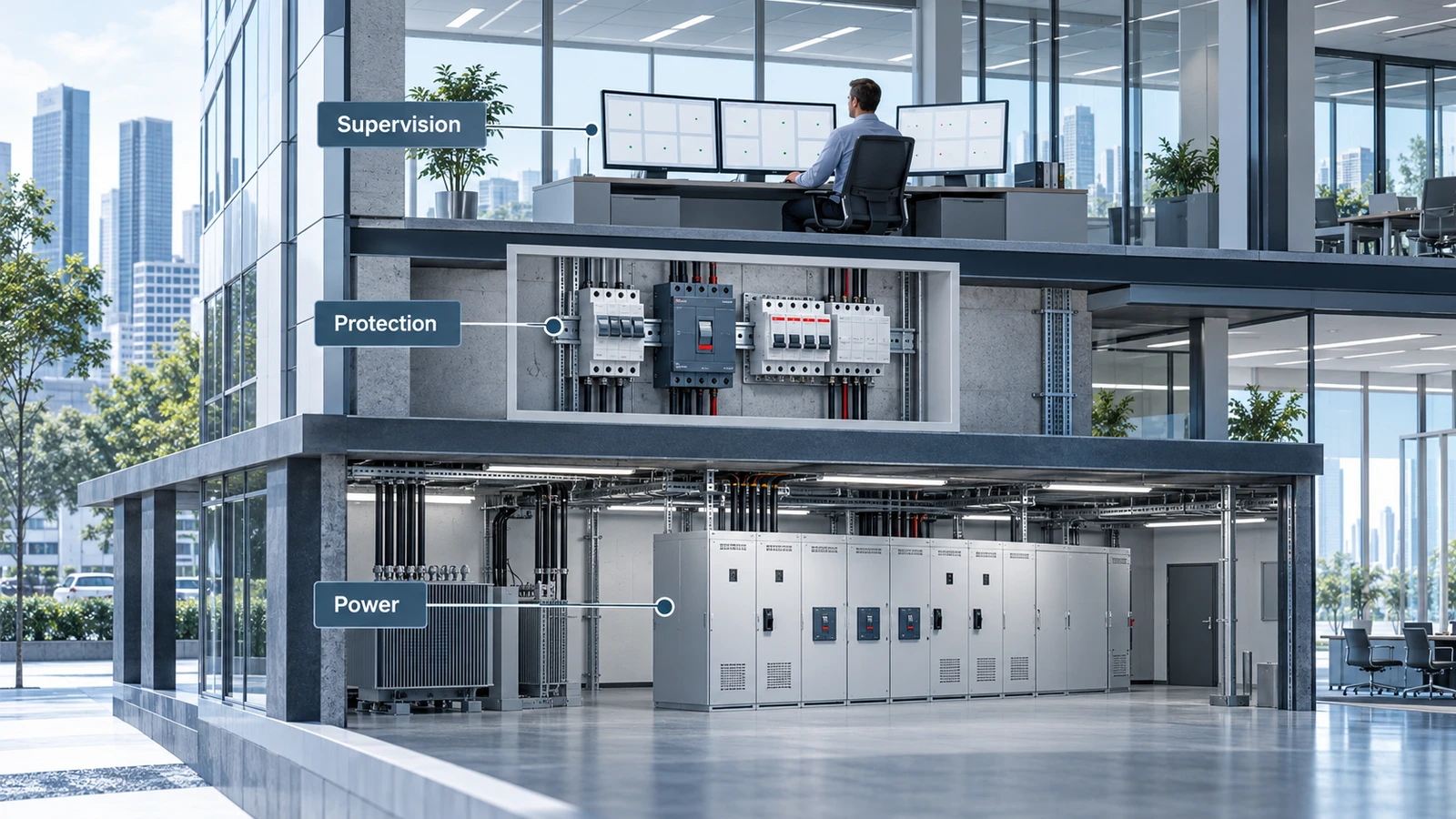
Build a service scope by system
| System | Possible service activity | Boundary to define |
|---|---|---|
| Incoming and distribution equipment | Inspection, planned maintenance, condition records and outage coordination | Utility interface, voltage level and authorized work |
| Metering | Data quality, demand reporting and investigation of abnormal usage | Meter accuracy, data ownership and reporting basis |
| Lighting and controls | Schedules, occupancy functions and fault response | Local overrides, tenant control and emergency systems |
| Backup power | Agreed inspection, exercising and maintenance coordination | Generator, UPS, transfer equipment and critical-load responsibilities |
| BMS interfaces | Point monitoring, alarm management and permitted commands | Command authority, fail states, access and network responsibility |
This is a scope framework, not a claim that every service provider covers every activity. Some tasks require specialized contractors, equipment vendors or utility involvement. Name those interfaces in the contract and maintenance plan.
Define the points before connecting equipment
A point schedule should identify what each signal means, its source, units, update behavior and whether it is read-only or writable. A breaker-open indication, a trip indication and a communication-failure alarm should not be collapsed into one ambiguous status.
For commands, define who is allowed to issue them and under which operating conditions. Remote closing of electrical equipment can require interlocks, local permissions and site procedures. A visible button on a BMS screen is not sufficient authorization to operate equipment.
Also specify what happens when communications fail. The protective and local control functions should behave as designed, and the supervisory system should report loss of data clearly. An old value presented without a quality indication can mislead an operator during an incident.
Use metering to support decisions
Energy totals, demand and load profiles answer different questions. A monthly energy figure can reveal consumption trends but may hide a short demand peak or an overloaded circuit. Select the measurement interval and reporting method for the decision being made.
The US Department of Energy describes how building automation and metering can support demand response and flexible operation. Those opportunities depend on the building’s loads, controls and operating constraints. Do not promise a fixed percentage saving from adding a dashboard alone.
Define a baseline before evaluating an improvement. Weather, occupancy, operating hours and equipment changes can affect comparisons. A useful report explains the basis and limitations of a result rather than attributing every reduction to one control change.
An alarm-response example
Consider an illustrative office building where the BMS reports loss of supply to a floor. A useful response depends on distinguishing a planned outage, a breaker operation, a failed sensor and a communications problem. The service team checks the agreed information and follows the site’s escalation procedure.
If a protective device has operated, the BMS should not repeatedly command a reset or close simply to clear the alarm. The cause needs investigation by the responsible personnel. The alarm record should preserve time, source, operator actions and the eventual resolution.
This example shows why point definitions and operating authority belong in the original scope. They cannot be recovered reliably from a colorful mimic screen after a fault.
What to request from equipment suppliers
- The actual equipment ratings, drawings and interface options for the offered configuration.
- Meter and communication information, including protocol, point mapping and required accessories.
- Alarm and control behavior, interlocks and local/remote operating boundaries.
- Installation, commissioning and maintenance documentation.
- Test procedures for the agreed interfaces and evidence of the delivered configuration.
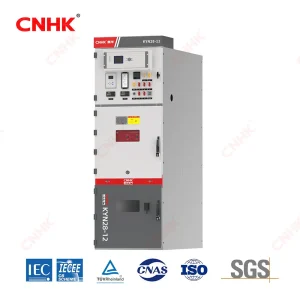
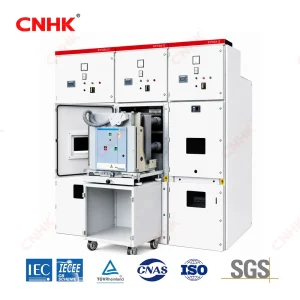
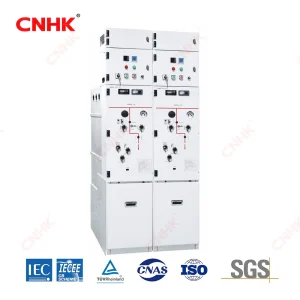
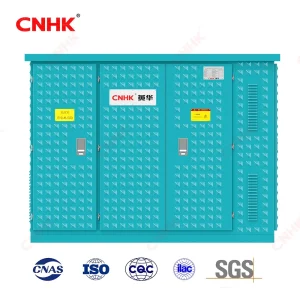
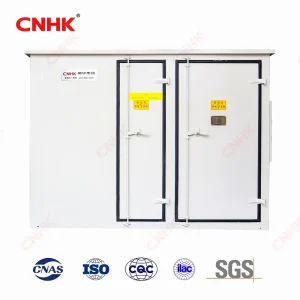
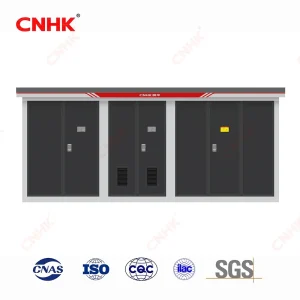
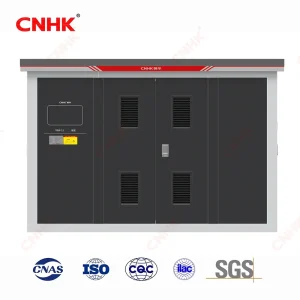
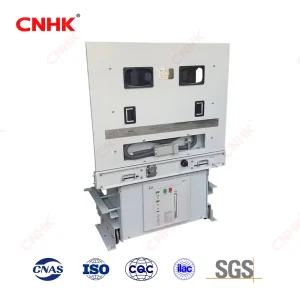
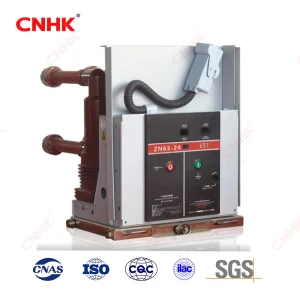
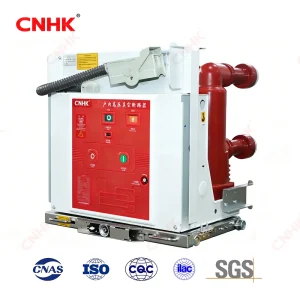
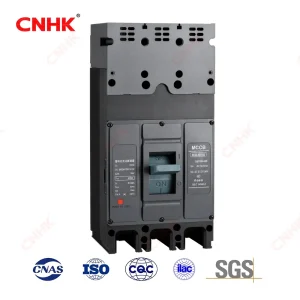
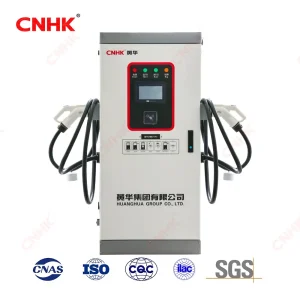
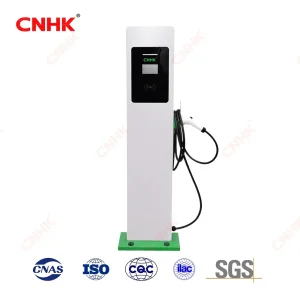
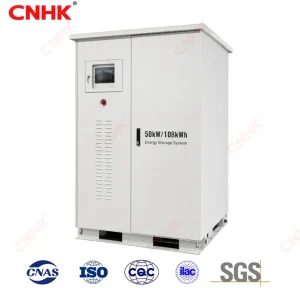
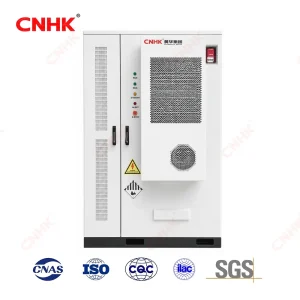
Do not assume that a standard product photograph includes every communication module or auxiliary contact. Options must be identified in the purchase specification and checked on delivery.
Equipment procurement versus local service delivery
A manufacturer can supply power equipment while a local contractor or facilities team performs installation and ongoing service. Those responsibilities should be explicit. A product enquiry should not be mistaken for an agreement to provide licensed local electrical maintenance.
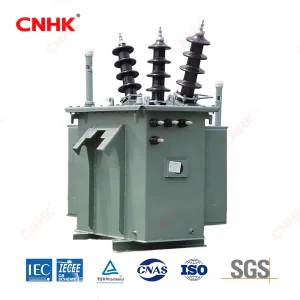
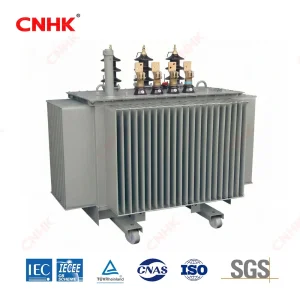
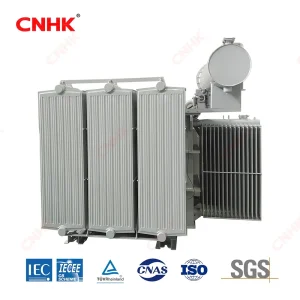
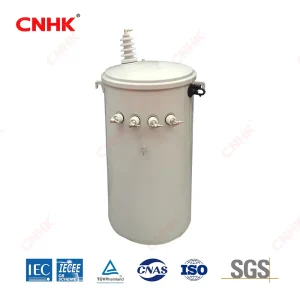
Huanghua’s company information provides context for discussing its power-transmission and distribution equipment. Project-specific product scope and management-system interfaces still require confirmation. This guide does not claim a local building-maintenance service network.
Handover that supports building operation
Provide current drawings, asset identifiers, circuit schedules, point lists, settings where applicable, test records and maintenance instructions. Assign ownership of backups, access credentials and configuration changes through the site’s secure handover process.
Train operators on the actual functions and limits of the delivered system. A clear alarm meaning, an agreed escalation path and an accessible current drawing can be more useful during an incident than an additional decorative dashboard.
Common questions
Is BMS the same as electrical protection?
No. A BMS provides supervisory and control functions within its scope. Protective equipment performs its defined protective duties.
Does BACnet support mean every device will integrate automatically?
No. Confirm compatible interfaces, supported objects or points, configuration and tested behavior for the actual devices.
What should be agreed before a service contract starts?
Assets, tasks, competency requirements, outages, response responsibilities, records, exclusions and acceptance criteria. A broad phrase such as “all electrical services” leaves too much unresolved.