
 Huanghua Group Co., Ltd.
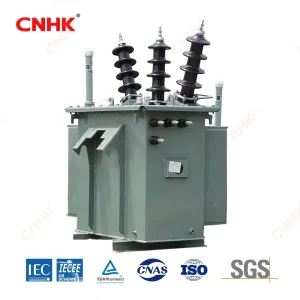
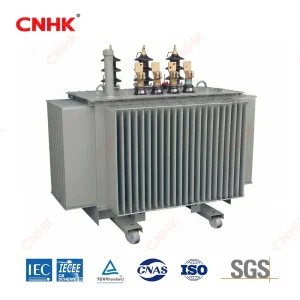
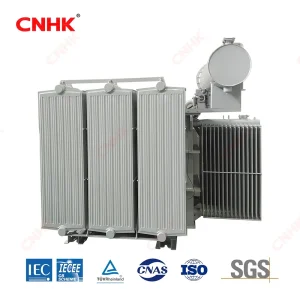
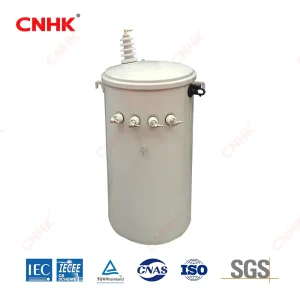

Provide primary and secondary voltage, capacity, frequency, phase, vector group, impedance, cooling, tap range, installation environment and applicable standard. Include altitude, temperature, enclosure and accessory signals where relevant.
TECHNICAL ANSWERS
Frequently Asked Questions
Practical information for product selection, installation, documentation and after-sales support.
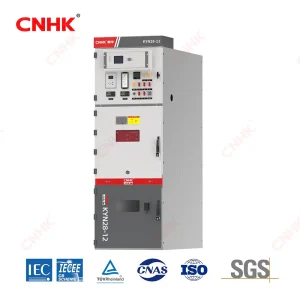
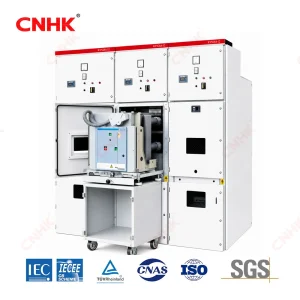
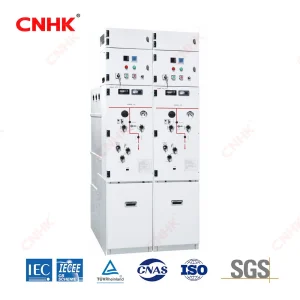
Confirm system voltage, current, short-circuit level and the single-line diagram. Then define panel functions, breaker rating, relay and metering, control voltage, interlocking, cable entry and installation environment.
Yes. Incoming, feeder, bus-coupler, metering and motor-control sections can be engineered around the approved scheme, subject to ratings, dimensions, component availability and the destination standard.
The confirmed package can include outline drawings, schematics, bill of materials, data sheets, routine test records, manuals, packing lists and available certificates.
Products follow the applicable IEC or national product standard. Confirm the exact standard, test scope and certificate availability for the selected model and destination before ordering.
Provide altitude, maximum and minimum temperature, humidity, pollution level and indoor or outdoor conditions. Non-standard conditions may require insulation, ventilation or derating adjustments.
Project-specific labels, nameplates, documents and selected appearance requirements can be discussed for qualified orders while maintaining technical compliance and traceability.
Routine inspections follow the product standard and approved agreement. Customer or third-party witness inspections can be arranged when scope, schedule and acceptance criteria are agreed before production.
Qualified personnel should confirm installation, grounding, busbar and cable connections, insulation, protection settings, interlocks, control power, mechanical operation and foreign-object clearance.
Send the model, nameplate photo, project location, commissioning date, operating condition, fault information, photos or video and checks already completed so the team can identify the next safe diagnostic step.