
 Huanghua Group Co., Ltd.
Electromechanical Box Build Assembly: Process, RFQ Inputs and Supplier Checks
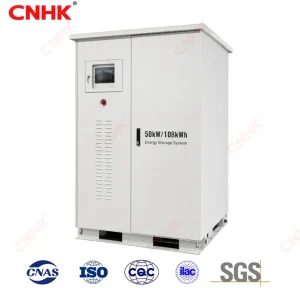
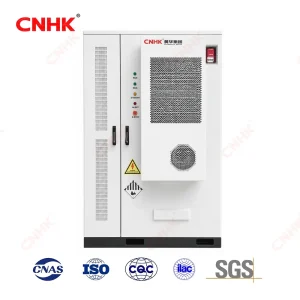
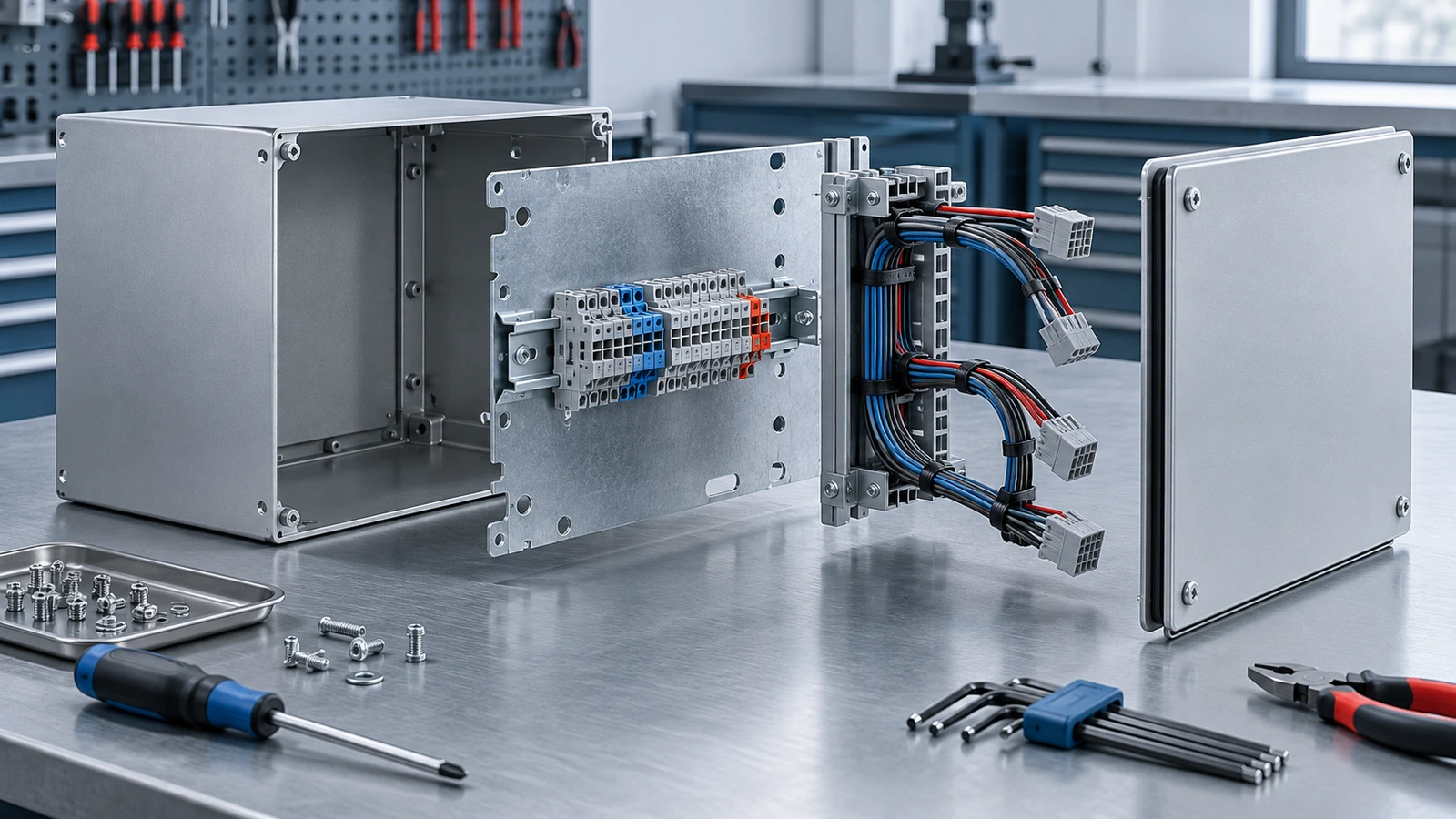
Electromechanical box build assembly integrates mechanical parts, electrical components, wiring and any specified electronics into a complete tested assembly. The scope can range from a small instrument enclosure to a larger control cabinet. It is more than producing an empty box, and it is not necessarily the same as manufacturing a printed circuit board.
The critical sourcing task is to define what “complete” means. An enclosure with mounted parts, a wired assembly awaiting software, and a functionally tested product ready for shipment are different deliverables. An RFQ should state the required endpoint.
Where box build begins and ends
Komaspec’s box-build guide describes a broader integration process that can include PCB assemblies, harnesses, power components, an enclosure, firmware, testing and packaging. Not every project includes all of those activities, and not every supplier performs them in-house.
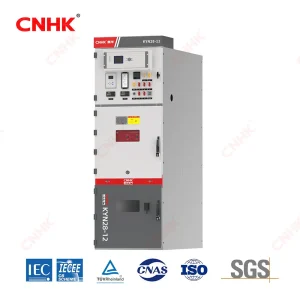
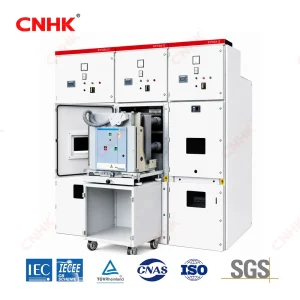
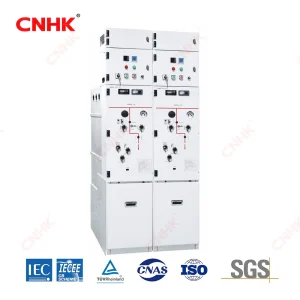
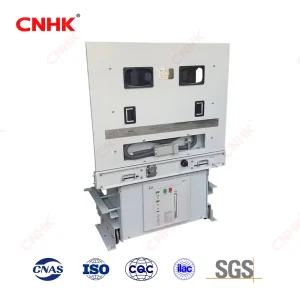
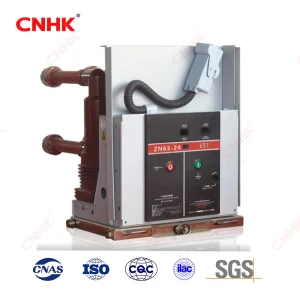
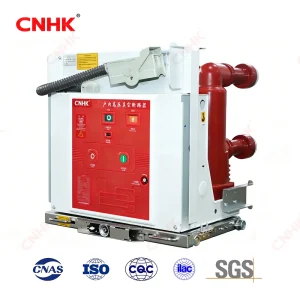
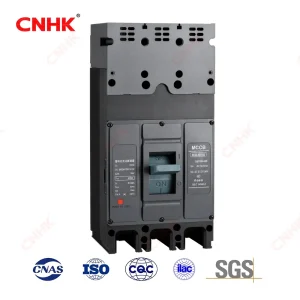
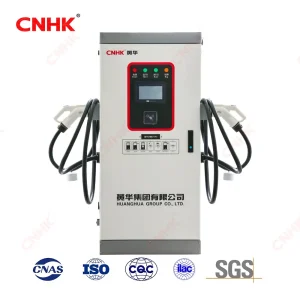
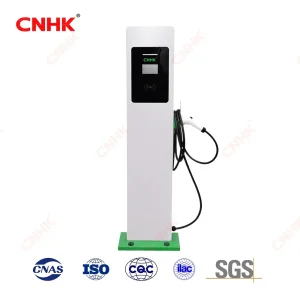
For electrical equipment, the scope may instead center on fabricated metalwork, busbars, terminals, protective devices, control wiring and final verification. Ask the supplier to distinguish what it manufactures, what it purchases and what it subcontracts. A broad assembly label does not prove a PCB-production line or any particular process capability.
The inputs that make a build repeatable
A controlled BOM identifies what goes into the assembly. Drawings and schematics establish how the parts fit and connect. Work instructions describe approved production methods, while inspection and test specifications define how conformity is demonstrated.
Each document needs a revision basis. A current enclosure drawing paired with an obsolete harness schedule can produce an assembly that looks correct but cannot be connected as intended. The release package should list the mutually compatible revisions, including software or configuration where relevant.
Unresolved items should be explicit before quotation. If the customer wants the manufacturer to select terminals, design a harness or develop a functional fixture, that is engineering scope. It should not be hidden inside “assemble as required.”
A practical assembly sequence
- Review the release package. Resolve missing dimensions, interfaces, component alternatives and acceptance criteria.
- Plan material and process control. Establish purchasing, incoming checks, traceability and any customer-supplied items.
- Prepare the mechanical assembly. Confirm fit, finish, mounting and access against the approved drawings.
- Integrate electrical parts and wiring. Follow the controlled schematic, connection requirements and identification scheme.
- Load configuration where included. Record the approved software, parameters and associated access controls.
- Inspect, test and release. Complete the specified checks, resolve nonconformities and preserve the release record.
This sequence is an example framework, not a mandatory production route. High-volume electronics, a one-off industrial panel and a power-distribution assembly can need different process controls. The route should reflect the actual product and risk.
Test at the appropriate level
| Verification layer | Example purpose | Required definition |
|---|---|---|
| Mechanical inspection | Confirm fit, mounting, finish and identification | Drawing features, tolerances and acceptance requirements |
| Wiring checks | Confirm connections against the approved circuit | Test points, method and expected results |
| Electrical safety verification | Demonstrate specified protective and insulation-related requirements | Applicable product requirements and approved test procedure |
| Functional testing | Confirm intended inputs, outputs, alarms and operating behavior | Test cases, configuration and pass/fail criteria |
| Final release | Establish the delivered unit’s identity and evidence | Serial or batch reference, records and authorized disposition |
A successful power-on check is not a substitute for every other verification layer. Equally, an individual component certificate does not certify the complete assembled product. Keep each type of evidence tied to its actual scope.
An interface problem found before production
Consider an illustrative control enclosure with a customer-specified cable harness and purchased display. The enclosure model shows the display’s outer dimensions, but the release package omits connector clearance and cable bend space. The first assembled unit fits mechanically until the harness is connected.
A pre-build interface review can identify that gap before a batch is made. The design owner then approves a revised mounting or routing detail, and the release package is updated. The value lies in closing the interface with a controlled decision, not improvising a different route on each unit.
What drives cost and delivery?
Purchased-component availability, tooling, fabrication complexity, wiring content, test development and configuration management can all affect the quotation. The enclosure may be visually dominant while a small long-lead component controls the schedule.
Ask suppliers to distinguish recurring assembly effort from engineering, tooling and test-fixture costs. Identify the assumptions for customer-supplied material, approved substitutions and quantity. A pilot build with unresolved interfaces should not be priced or scheduled as if it were a stable repeat order.
RFQ package for a box-build supplier
- Product purpose, intended use and target-market requirements.
- BOM, drawings, schematics and a revision-controlled document list.
- Mechanical, electrical and software interfaces.
- Volumes, pilot quantities, delivery assumptions and purchased-material responsibility.
- Required inspection, testing, labeling, packaging and handover records.
- Design authority, change approval and nonconformity handling.
- Specific evidence requested for in-house and subcontracted processes.
For power-equipment enquiries, Huanghua’s company information is a starting point for discussing the relevant manufacturing scope. A generic box-build article should not be read as a claim that Huanghua offers every electronics, firmware or PCB process described here.
Common questions
Is box build the same as PCB assembly?
No. A box build can integrate an already manufactured PCBA with mechanical and electrical parts. PCB manufacture and assembly may be separate purchased processes.
Can the supplier create the test plan?
It can be an agreed engineering deliverable. The acceptance owner still needs to approve what the tests demonstrate and which requirements remain outside their scope.
What should accompany the finished units?
The agreed release records, identification, configuration and operating or installation information. Define these before production so that documentation is part of delivery.