
 Huanghua Group Co., Ltd.
Does Aluminum Conduct Electricity? Conductivity, Oxide Layers and Applications
Yes, aluminum conducts electricity. It is widely used in electrical conductors because it combines useful conductivity with low weight. However, aluminum metal and the oxide layer on its surface behave differently, and an aluminum conductor is not automatically interchangeable with a copper conductor of the same dimensions.
The useful question is therefore not only whether current can flow. For an electrical design, the material, cross-section, temperature, connection system and required duty all matter.
Aluminum conducts, but not identically to copper
Copper has higher electrical conductivity than aluminum when compared on an equal-volume basis under comparable conditions. Aluminum’s lower density gives it an important weight advantage. That tradeoff helps explain its extensive use in power transmission and distribution.
A conductivity comparison needs a defined basis. Equal mass, equal cross-section and equal electrical resistance are different comparisons. A statement that favors one material per unit mass does not mean the same result holds for conductors of equal diameter.
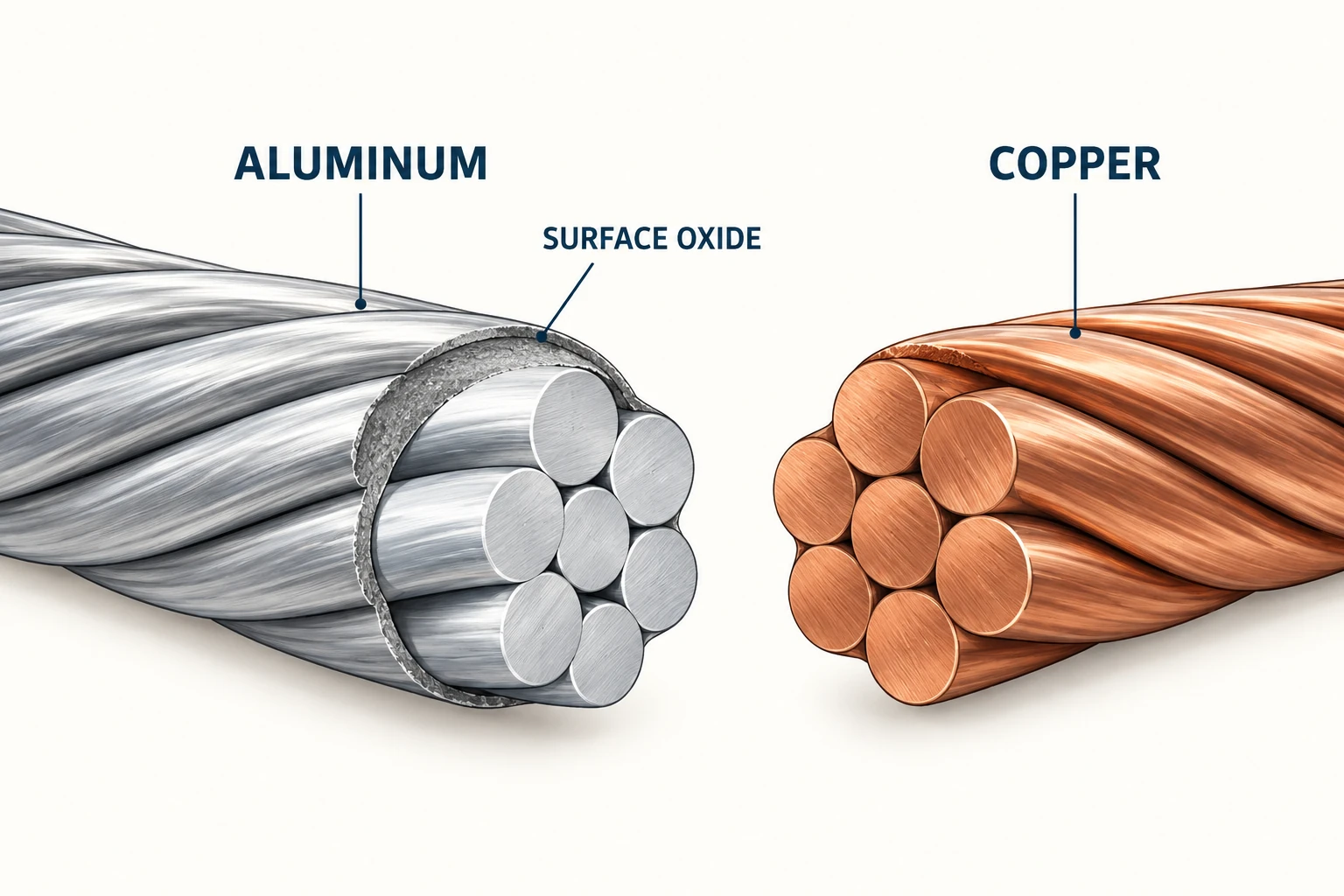
Why the surface oxide matters
Aluminum oxide is an electrical insulator, unlike the underlying metal. The surface layer therefore matters at an electrical contact. A poor contact with a coated or oxidized surface does not prove that the bulk aluminum is nonconductive.
This is why a connection must use the specified terminal system and preparation method. The relevant connector and equipment instructions determine compatibility and assembly requirements. A material’s ability to conduct cannot establish that an arbitrary joint is suitable.
Separate three questions in a comparison
| Question | What it concerns | What it cannot prove alone |
|---|---|---|
| Does the material conduct? | The electrical property of the material. | The current rating of a complete conductor. |
| What resistance does the conductor have? | Material, dimensions and temperature. | The suitability of its terminations or cooling. |
| Is the assembly suitable? | Conductor, joints, insulation, installation and duty. | Suitability for a different application without review. |
Keeping the questions separate helps avoid a common shortcut: replacing a copper part with an aluminum part solely because both are conductors. The complete design must accommodate the chosen material.
Where aluminum is used
Electrical applications include overhead conductors and appropriately designed wire, cable and equipment components. Product selection must consider the intended use and applicable requirements, rather than treating all aluminum alloys and conductor constructions as identical.
Likewise, an aluminum mechanical enclosure is not automatically an approved current-carrying conductor. Its electrical role depends on the designed assembly, connections and relevant documentation.
Aluminum and copper transformer windings
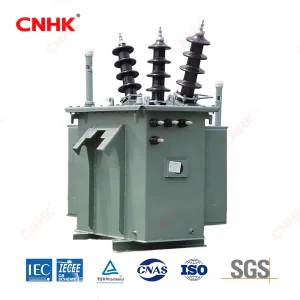
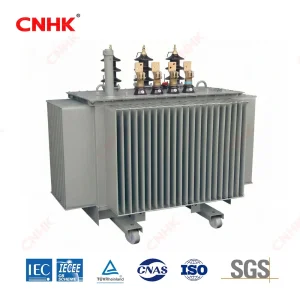
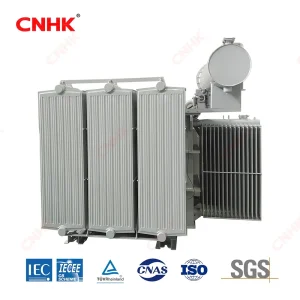
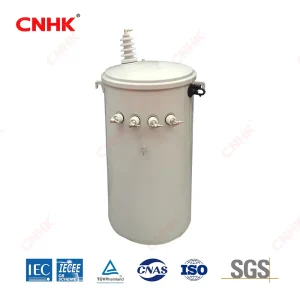
Huanghua’s three-phase oil-immersed distribution transformer description lists copper or aluminum windings. This confirms that material alternatives exist in the product route; it does not establish that two differently designed units have identical losses, temperature rise, dimensions or price.
Compare the finished transformer specification. Ask the supplier to identify the winding material and provide the corresponding rated performance and test documentation. A fair comparison keeps the required duty constant and evaluates what each offered design actually delivers.
For example, a proposal may change dimensions or performance values when the winding material changes. Record those differences explicitly instead of accepting a quotation that changes only the word “copper” to “aluminum.”
A practical enquiry checklist
- Identify the application: cable, busbar, winding or another specified component.
- State the duty: electrical loading and relevant service conditions.
- Define the interface: terminal or joint compatibility and the required documentation.
- Compare the complete design: resistance/loss information, thermal performance, dimensions and mass where relevant.
- Record the selected material: keep it consistent across the quotation, drawings and test records.
Aluminum’s conductivity makes it a useful engineering material. Suitability comes from a design that accounts for its properties, rather than from assuming it behaves exactly like copper in every electrical assembly.