
 Huanghua Group Co., Ltd.
Winding Resistance: What the Measurement Reveals About a Transformer
Winding resistance is the electrical resistance of a transformer’s current-carrying winding path under the stated measurement conditions. A DC winding-resistance test can help reveal abnormal connections, winding-path problems or tap-changer contact issues. The reading becomes useful when it is compared with an appropriate reference—not when it is judged against a universal “good” resistance value.
For a purchaser or asset owner, the central task is to understand what was measured and whether the comparison is valid. The physical test requires suitable equipment, trained personnel and the approved procedure.
What a change in resistance can indicate
An unexpectedly high, low or unstable result can point to a change in the current path. Possible explanations include connection problems, damaged conductors or contact resistance associated with a tap changer. The result identifies a reason to investigate; it does not uniquely locate every fault.
A useful review asks whether the anomaly is repeatable, whether the configuration matches the reference and whether other diagnostic information supports the same interpretation. Treating one unusual number as a complete diagnosis can lead to the wrong repair decision.
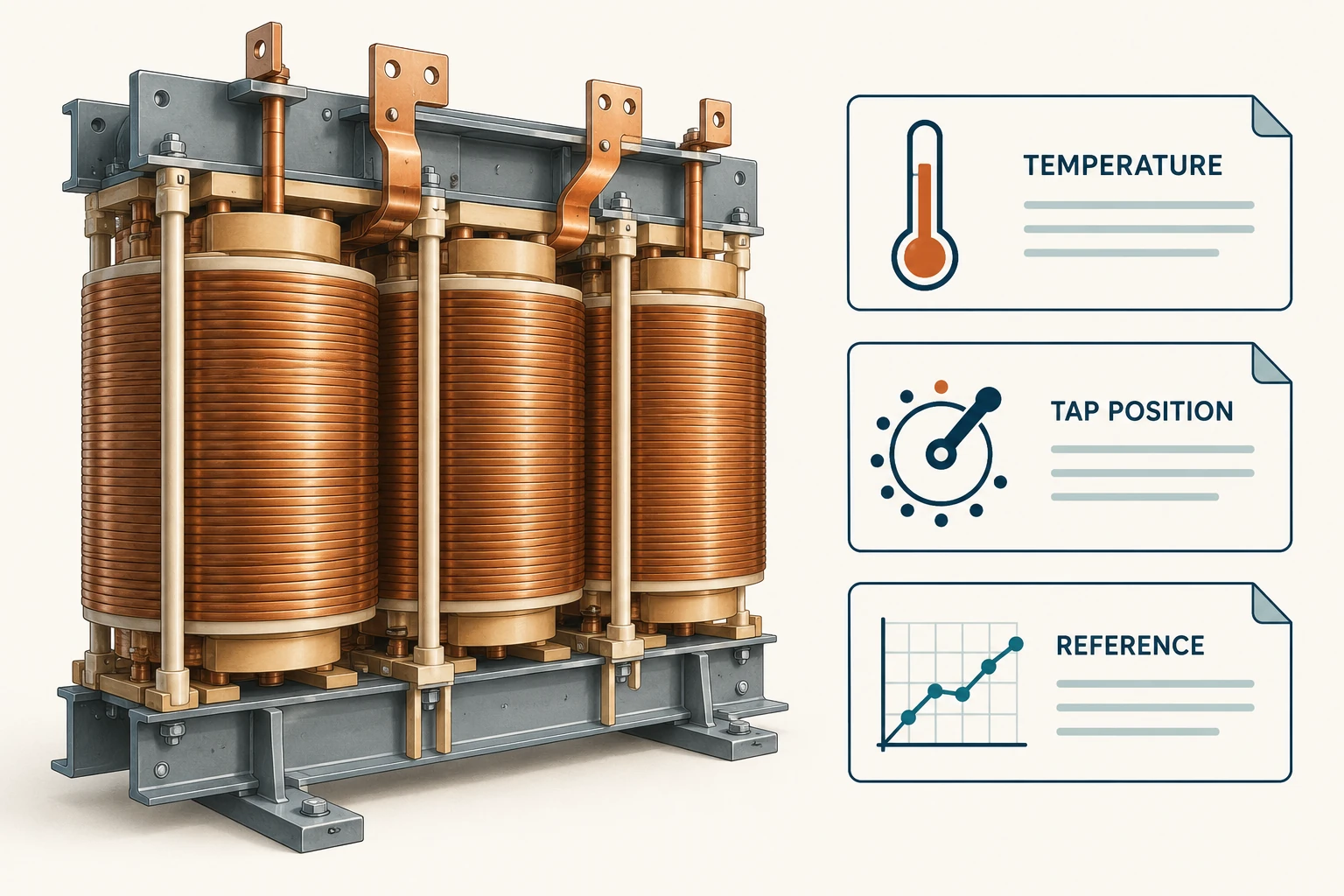
Temperature changes the comparison
Winding resistance depends on temperature. A field reading and a factory reading taken at different temperatures should not be compared as if they were measured under identical conditions. Temperature compensation requires the relevant temperatures and winding-material information.
Keep both the measured value and any corrected value in the record. State the correction basis and reference temperature. Otherwise a reviewer may be unable to tell whether an apparent difference reflects equipment condition or merely different data treatment.
A comparison example: find the missing information first
Suppose a historical report lists 0.500 Ω for a particular winding path at a recorded temperature and tap position. A later sheet lists 0.540 Ω but omits temperature and identifies only “HV winding.” These are hypothetical values. The apparent increase is 8%, but that percentage alone is not a valid deterioration finding or a pass/fail result.
The reviewer first establishes whether the terminal pair, connection basis, tap position and temperature treatment match. If they do not, the records need clarification or comparison on the procedure’s defined basis. A material-specific temperature correction cannot be reconstructed reliably without the required inputs.
Even after comparable conditions are established, the acceptance basis must come from the relevant equipment documents, procedure and engineering assessment. A repeatable change may justify investigation, but resistance alone does not uniquely distinguish a poor external connection, a tap-contact issue and a winding defect.
A useful report therefore shows the original reading, measurement conditions, any correction and the reference used for comparison. Keeping those fields separate lets a later reviewer reproduce the reasoning instead of inheriting an unexplained “pass” label.
Tap position and connection must also match
A different tap position changes the winding path being evaluated. The report should identify the tap for every result. Where a series of tap positions is tested, retain the relationship between position and reading rather than reporting an unexplained single average.
Also distinguish a winding result from a terminal-to-terminal result. The winding connection affects what a measurement between accessible terminals represents. Before comparing phase values or a factory baseline, confirm that the same quantity is being compared.
Minimum context for a useful report
| Record field | Why it matters |
|---|---|
| Transformer identity and drawing | Ties the data to the actual winding arrangement. |
| Winding or terminal pair | Defines the measured current path. |
| Tap position | Prevents comparison of different configurations. |
| Temperature and material basis | Supports a meaningful temperature correction. |
| Instrument and test conditions | Records how the result was obtained. |
| Reference and acceptance basis | Explains how the reviewer reached the disposition. |
The responsible test procedure may require additional fields. The table is a report-reading aid; it does not prescribe a test current, lead arrangement or pass/fail percentage.
Resistance is not insulation resistance
Winding resistance examines the conductive path. Insulation-resistance testing examines insulation between specified points. The two tests answer different questions, and a satisfactory result from one does not establish that the other property is satisfactory.
This distinction is important when requesting factory or service records. “Transformer resistance test” is ambiguous. Name the test and the required report so the supplier does not return data that answers a different question.
Safety affects the procedure, even on isolated equipment
A transformer winding stores magnetic energy during a DC test. Interrupting the test-current path improperly can generate dangerous voltage. Discharge and lead-handling requirements are therefore part of the instrument and equipment procedure, not optional steps to omit when a reading looks stable.
Request comparable records with the transformer
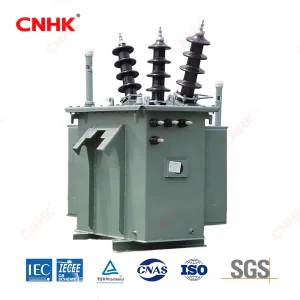
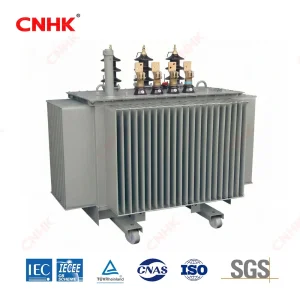
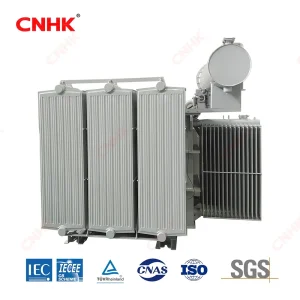
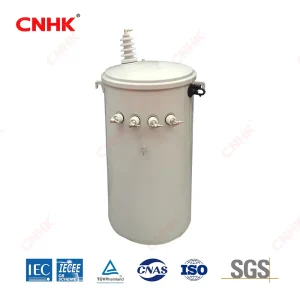
Huanghua’s three-phase oil-immersed transformer description includes copper or aluminum winding options. The selected material and configuration should be identifiable in the project documentation rather than inferred from a general product listing.
Ask for factory results linked to the supplied unit and their measurement conditions. A traceable baseline makes later condition assessment more useful than a standalone resistance number with no temperature, tap or terminal information.